Nassau
Nassau Yacht Charter Guide
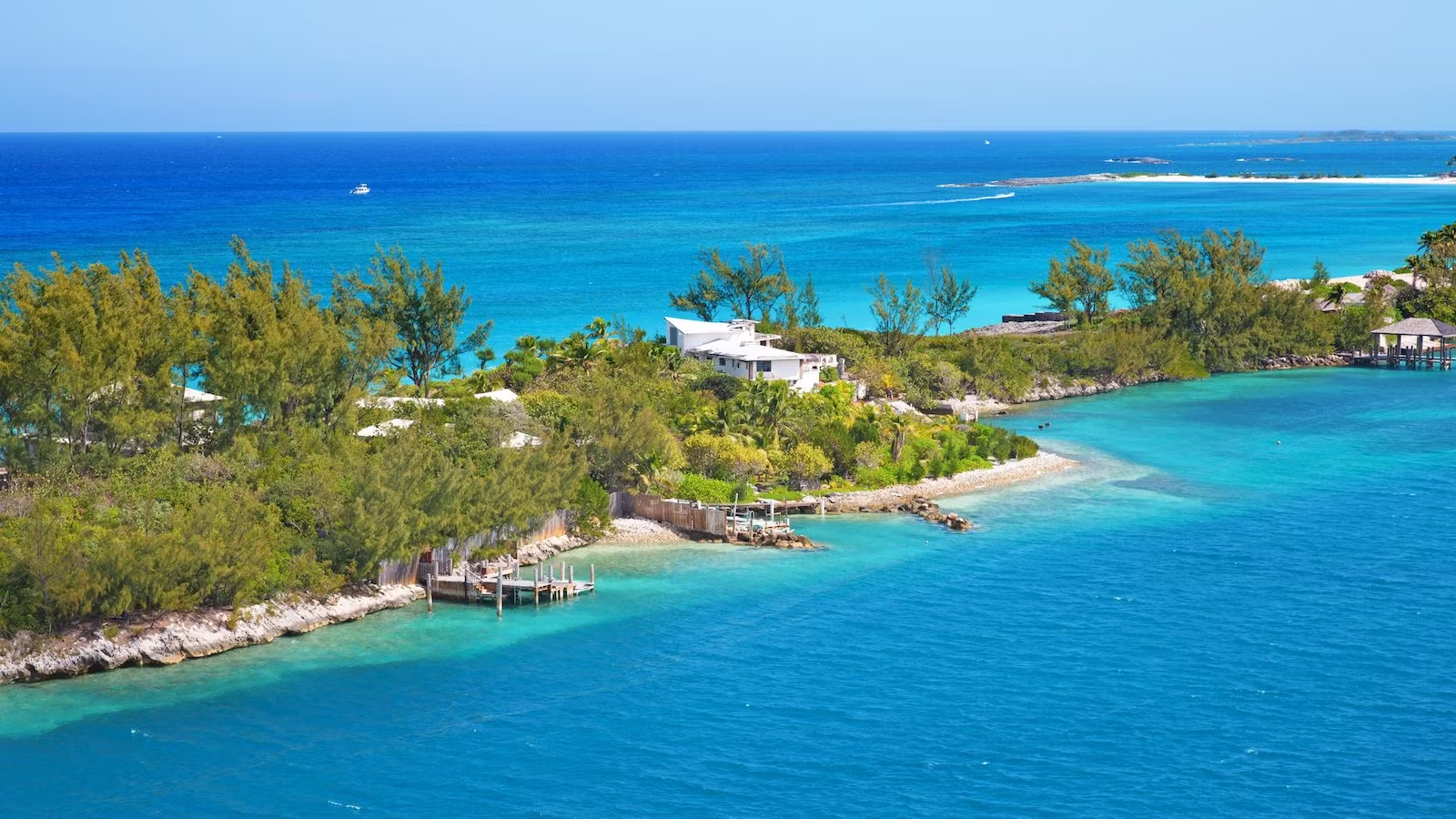
As the capital of the Bahamas Nassau is often the starting point for a charter to the Exumas, but is a destination in its own right and, as the original headquarters of Blackbeard himself, it has real Caribbean credentials. Giving you the best of both worlds, it is easy to spend a day lazing on an isolated white sand beach before a night sipping a cocktail at the hottest new bar and winning big at the Casino. With swathes of the surrounding reefs and ocean-protected marine reserves, you can experience the best of Nassau from your own private superyacht.
Best Time To Visit: For the most temperate weather, visit between November and April.
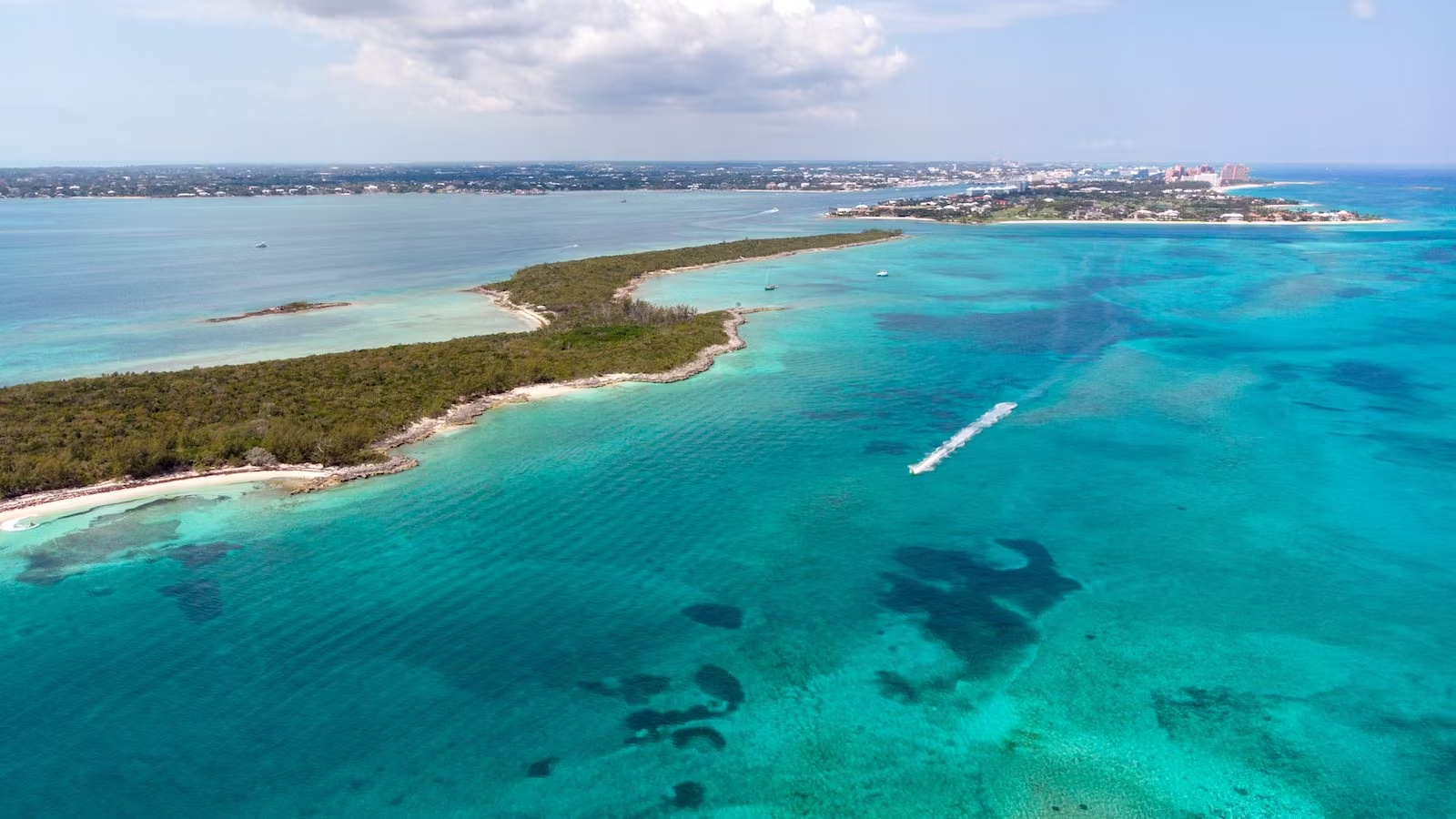
Key Cruising Areas: Paradise Island, just across the water from Nassau is a must-see, and the nearby islands on Atholl and Rose are beautiful, with areas used in the filming of the James Bond film Thunderball. Cruise around the coast of Nassau to reach many more beautiful beaches and national parks, with the nearby Exumas also within easy reach.
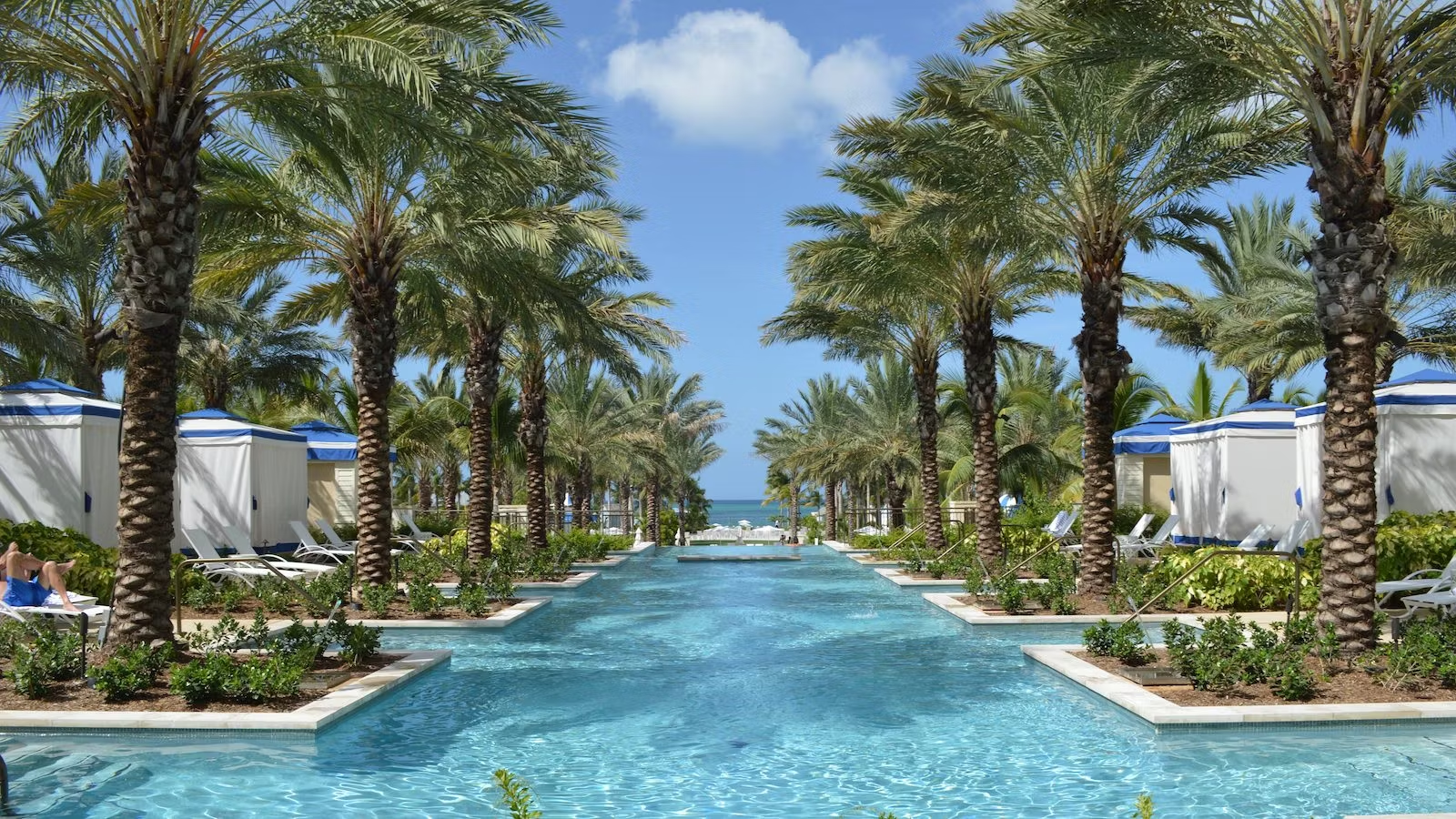
Don’t Miss: The Atlantis Resort on Paradise Island. This epic resort island has high-end restaurants, casinos, and a 141-acre water park called Aquaventure that has beaches, lazy rivers and hair raising slides, and the world’s largest open-air marine habitat which is home to hundreds of different marine species.
Best Spots for Wining and Dining: For an immersive local dining experience visit the many creatively named seafood shacks that make up ‘Fish Fry’ district in Arawak Cay. Enjoy a private meal in Graycliff Restaurant’s wine cellar, or sample some of the plethoras of fine dining restaurants at Atlantis on Paradise Island, including Fish by José Andrés for a fresh and inventive take on seafood, and Nobu for world-class Japanese cuisine.
Best Local Dish: Try conch chowder and broiled fish, followed by a Bahamian steamed pudding known as Guava Duff and some locally distilled rum.
Local Culture: The city of Nassau hosts a local festival known as Junkanoo three times a year, on the 26th of December, 1st of January, and 10th of July locals will parade the streets in colourful handmade costumes, dancing to the sound of cowbells, drums and whistles.
Best Beach: Nassau offers some of the best beaches in the Bahamas and choosing a favorite is hard. Cabbage Beach on Paradise Island boasts two miles of perfect white sand, and Cable Bay is the spot for resort-style luxury, being the location of the exclusive Baha Mar, but the nearby Cave Beach offers something unique, a small strip of sand backed by impressive limestone caves.
IYC recommends: Clifton Heritage National Park has some attractions including ruins, caves, and nature trails, but none as spectacular as Ocean Atlas, the largest underwater sculpture in the world. Snorkel around this 18-foot statue of a Bahamian girl ‘holding up the ocean’ and admire the marine life that congregates around this artificial reef.
FREQUENTLY ASKED QUESTIONS
Nassau enjoys a warm, tropical climate throughout the year, making it one of the most accessible yacht charter hubs in The Bahamas. From mid-December to April, conditions are especially favorable, with daytime highs typically ranging from 77°F to 82°F (25°C to 28°C), lower humidity, and steady easterly trade winds. Rainfall is lighter during this dry season, and the surrounding waters are often calm and clear, ideal for cruising, snorkeling, and days at anchor off Rose Island or Paradise Island.
The rainy season runs from May through November. During these months, Nassau becomes warmer and more humid, with summer highs often reaching 85°F to 90°F (29°C to 32°C). Rain usually arrives in brief tropical showers, often followed by bright skies. Charter routes can be adjusted around localized squalls, especially when cruising toward the Exumas, Eleuthera, or more exposed anchorages.
Hurricane season spans June through November, with peak activity typically falling between August and October. While major storms are not frequent, weather systems are carefully monitored by Captains and charter teams. Nassau is well equipped for yacht operations, with established marina infrastructure including Paradise Island, Nassau Harbour, and Palm Cay.
Water temperatures remain warm year-round, ranging from around 75°F to 86°F (24°C to 30°C). Visibility is often excellent, particularly in the drier months, supporting swimming, diving, and watersports throughout the season.
Nassau offers a seamless and well-supported entry point for yacht charters in The Bahamas, with infrastructure designed to accommodate international travelers and private yacht guests alike. As the country’s primary gateway, it provides visa-free access for U.S., U.K., Canadian, and many European citizens for stays of up to 90 days, making arrivals straightforward and efficient. Lynden Pindling International Airport connects Nassau to major global hubs, allowing for smooth transfers directly to marinas such as Atlantis or Albany, where many yacht charters from Nassau begin.
The local currency, the Bahamian dollar, is pegged 1:1 to the U.S. dollar, and both are accepted throughout Nassau. English is the official language, and the city’s tourism infrastructure is among the most developed in the region. From provisioning to marina services, Nassau is well equipped to support high-end charter operations. Mobile connectivity is reliable across the island, and most yachts in IYC’s fleet provide onboard Wi-Fi, though coverage may become less consistent when cruising further into remote cays.
Health and safety standards in Nassau are strong, supported by the country’s leading medical facilities and experienced yacht crews trained in onboard care. No vaccinations are required for entry, although standard precautions such as sun protection and mosquito repellent are recommended, particularly during the warmer months.
While seven-night charters are the standard format in Nassau, particularly for luxury crewed yachts operating during the peak season, itineraries can be adapted based on availability. Weekly bookings remain the norm, with most yachts priced on a per-week basis and cruising schedules designed accordingly. That said, shorter or extended charters may be arranged, especially outside high-demand periods or when yachts have gaps in their calendar. In these cases, rates are typically adjusted on a pro-rata basis using a six-day divisor to reflect fixed operating costs. All terms are agreed directly between the client and the Central Agent.
Most yacht charters from Nassau begin and end at 12:00 pm, in line with standard practice across The Bahamas. This timing allows the crew to complete provisioning, technical checks, and full yacht preparation ahead of guest arrival. Disembarkation at noon on the final day ensures a smooth turnaround, particularly in busy marinas such as those on Paradise Island or Nassau Harbour.
The APA, or Advance Provisioning Allowance, is a key component of the yacht charter process. It is a fund paid in advance of your charter, typically equal to 25–40% of the base charter fee, and is used to cover all operational expenses incurred during your trip. This includes fuel, food and beverages, marina fees, port taxes, transfers, and any special arrangements made to tailor your experience.
The APA is held onboard and managed by the yacht’s Captain, who ensures all provisioning and logistics are carried out efficiently and in line with your preferences. Prior to boarding, guests complete a preference sheet, noting dietary requests, beverage selections, activity interests, and more, which guides how the APA is allocated. Every expenditure is documented, and at the end of the charter, a full accounting is provided. Any unspent funds are refunded, while any overages are settled directly with the client.
As an example: if your weekly charter fee is $100,000, an APA of approximately $25,000 to $40,000 would be requested in advance. These funds might be used for cruising fuel, provisioning of meals and drinks, berthing fees, and third-party services such as private transfers or curated onshore excursions.
This system allows for complete flexibility, ensuring that the charter experience can be adjusted in real time, whether you decide to cruise further than originally planned or make spontaneous arrangements along the way. APA funds must be received before embarkation, typically via bank transfer alongside the final balance payment.
On a Nassau yacht charter, the base charter fee covers the main elements of your experience: the yacht itself, her full-time professional crew, insurance, and standard onboard amenities. This gives guests a clear starting point for comfort, service, and safety before variable costs are added.
Operational expenses are handled separately through an Advance Provisioning Allowance, or APA. This is usually 25–40% of the base charter rate and is paid before embarkation. Managed by the Captain throughout the charter, the APA covers fuel, food and beverage provisioning, marina fees, port clearance, and any onshore arrangements requested during the itinerary. At the end of the charter, a full account is provided and any unused balance is returned.
Charters starting in Nassau are also subject to Bahamian charter taxes. Current guidance indicates a 14% charter tax applies to yacht charters in The Bahamas, replacing the earlier VAT registration process for foreign charter yachts.
Crew gratuity is not included in the charter fee or APA. A discretionary tip of 10–20% of the base rate is customary and offers a way to recognize exceptional service.
Nassau offers access to a broad and versatile fleet of charter yachts, well suited to both its lively harbor scene and the shallow cruising grounds that define The Bahamas. As the country’s main embarkation point, it supports everything from high-performance motor yachts to expansive superyachts, all equipped to transition seamlessly from marina life to island-hopping across nearby cays. Motor yachts remain the leading choice here, combining speed, comfort, and reduced draft for efficient cruising between Nassau, the Exumas, and the Out Islands. From sleek sport models to larger yachts with beach clubs and Jacuzzis, they are designed to handle both short coastal runs and extended itineraries with ease.
Catamarans are also widely selected, particularly for guests planning relaxed itineraries or traveling with family. Their wide beam and shallow draft allow closer access to sandbanks and sheltered anchorages, which are common throughout the Bahamian archipelago. Stable at anchor and generous in layout, they offer a practical and comfortable platform for days spent swimming, snorkeling, or enjoying time on deck. For a more traditional approach, sailing yachts provide a quieter, wind-driven experience, well suited to taking advantage of the region’s steady trade winds and calm seas.
Yachts within IYC’s fleet departing from Nassau are fully crewed and typically accommodate up to 12 guests, in line with international charter regulations. Layouts, onboard amenities, and cruising capabilities vary widely, allowing each charter to be tailored to specific preferences.
Nassau itself offers a dynamic start to any yacht charter, with a mix of cultural landmarks, beach clubs, and resort experiences. Guests can spend time exploring Paradise Island’s Atlantis resort, unwind along Cable Beach, or visit historic sites such as the Queen’s Staircase and Fort Charlotte. The capital also provides excellent dining, shopping, and nightlife, making it easy to transition from city energy to life on board.
Beyond Nassau, the Exumas form the core of most charter itineraries. Located just to the south-east, this island chain is known for its clear, shallow waters and relaxed cruising style. Stops often include Highbourne Cay, Staniel Cay, Big Major Cay, and the Exuma Cays Land and Sea Park, where guests can enjoy snorkeling, sandbanks, and protected anchorages.
To the east, Eleuthera and Harbour Island offer a more refined and laid-back atmosphere. These destinations are known for their pink sand beaches, boutique hotels, and understated charm, ideal for guests seeking a quieter pace with polished onshore experiences.
For those prioritizing privacy, the Berry Islands lie within easy reach of Nassau and offer secluded anchorages, sportfishing, and untouched natural surroundings. Longer itineraries can also extend further north to the Abacos, where calm cruising waters and traditional settlements such as Hope Town and Marsh Harbour provide a different perspective on The Bahamas.
Most cruising grounds from Nassau are within a few hours of each other, allowing for flexible and well-paced itineraries. Whether you are drawn to lively resorts, remote cays, or a mix of both, Nassau offers access to a wide range of experiences across The Bahamas.
Yacht charter rates in Nassau vary depending on the yacht’s type, size, age, onboard features, and guest capacity. Weekly base rates for crewed luxury motor yachts generally start at around $25,000 for smaller yachts and can exceed $350,000 for premium superyachts with extensive amenities.
Seasonality plays an important role in pricing. Nassau’s high season runs from December to April, aligning with The Bahamas’ warm, dry winter and peak visitor demand. Lower rates are typically available during the summer and fall months, outside of major holiday periods.
Charterers should also plan for expenses beyond the base charter fee. An Advance Provisioning Allowance (APA) of 25–40% of the charter cost is customarily required before embarkation to cover variable expenses such as fuel, food and drinks, dockage, and onshore services. In Nassau, marina costs can vary between major hubs such as Atlantis Marina, Bay Street Marina, Hurricane Hole Superyacht Marina, and Albany Marina. The APA is reconciled at the end of the charter, with any unused funds refunded.
Foreign yacht charters in The Bahamas are currently subject to a 14% charter tax, submitted through the Bahamas Port Department for every charter. This replaced the previous separate VAT registration process from July 1, 2025.
Crew gratuity is not included in the charter fee but is customary, generally 10–20% of the base rate, offered at the guest’s discretion based on service level.
The best time to charter a yacht in Nassau is from November through April, during The Bahamas’ dry season. This period offers consistent sunshine, warm temperatures, and lower humidity, with daytime highs ranging from 75°F to 84°F (24°C to 29°C). Water temperatures remain inviting, often around 77°F to 79°F (25°C to 26°C), ideal for swimming, snorkeling, and enjoying the clear shallows surrounding New Providence and nearby cays. This is considered the peak yachting season, particularly between mid December and March, when demand and rates are highest across Nassau’s leading marinas, including Atlantis Marina and Nassau Yacht Haven.
For those seeking more privacy and flexibility, the shoulder months of late April to early May and late October to early November offer excellent conditions without the winter crowds. The weather is typically warm and settled, marinas are less congested, and charter availability is more flexible. These windows are often preferred by experienced guests looking to enjoy Nassau as a gateway to quieter cruising areas such as the Exumas or Eleuthera, while maintaining favorable conditions.
The summer months, from May through early June, can also provide a quieter and more relaxed cruising experience around Nassau and the surrounding islands. However, from June 1 to November 30, The Bahamas is officially in hurricane season. Storm risk increases notably in August, September, and October. While many charters continue to operate with careful route planning and real-time weather monitoring, this period requires greater flexibility and consideration when booking.
Whether you are drawn to the vibrant atmosphere of Nassau and Paradise Island or planning onward cruising to the Exumas’ remote anchorages, timing your charter around the dry season will provide the most consistent and enjoyable experience.
Nassau uses the Bahamian dollar (BSD), the official currency of The Bahamas. It is pegged to the U.S. dollar at a 1:1 ratio, making payments especially straightforward for U.S. travelers. Across Nassau, Paradise Island, and major charter areas, Bahamian and U.S. dollars are accepted interchangeably.
For yacht charters from Nassau, most local expenses such as provisioning, dockage, taxis, restaurants, and shore-based arrangements can be paid in Bahamian or U.S. dollars. Credit and debit cards are widely accepted in established marinas, resorts, boutiques, and restaurants around Nassau Harbour, Paradise Island, Albany, and Palm Cay. Still, it’s advisable to carry some cash for local markets, crew gratuities, small vendors, or stops in quieter cays.
ATMs are easy to find in Nassau and usually dispense Bahamian or U.S. dollars. Availability becomes more limited once cruising toward remote islands or smaller settlements, so guests should prepare in advance before embarkation.
Currency exchange is available through commercial banks, airport counters, and some larger hotels or marina complexes.
Nassau follows The Bahamas’ standard 120V / 60Hz electrical system and uses Type A and Type B plug sockets, the same configuration found in the United States and Canada. For North American guests, this makes charging phones, laptops, cameras, and other everyday devices straightforward, with no adapter or voltage converter usually required. Travelers arriving from the United Kingdom, Europe, Australia, or Asia should bring a Type A/B plug adapter. A voltage converter may also be needed for single-voltage appliances that are not rated for 120V.
On board an IYC charter yacht in Nassau, electrical systems are typically designed with international guests in mind. Many yachts feature universal sockets, USB charging points, and stable onboard power for guest cabins and shared areas. When docked at Nassau marinas, yachts can connect to shore power, while onboard generators support lighting, air conditioning, galley equipment, entertainment systems, and personal electronics while at anchor.
A surge-protected universal travel adapter is a practical addition, especially for guests traveling with laptops, camera equipment, or medical devices such as CPAP machines. For high-draw appliances or specialist equipment, compatibility should be confirmed before embarkation. IYC’s expert consultants can help check the setup of your selected yacht and ensure practical details are arranged in advance.
Mobile coverage in Nassau is strong and reliable, particularly around Paradise Island, major marinas, and key charter departure points. 4G LTE service is widely available through BTC and ALIV, supporting seamless communication from the moment you arrive. For guests embarking on yacht charters from Nassau, connectivity is typically consistent across New Providence and nearby cruising areas, though it may become less stable as itineraries extend toward more remote cays. Most yachts are equipped with onboard Wi-Fi powered by cellular routers or VSAT systems to help maintain service throughout the journey. Guests traveling from the U.S. or other international markets should be mindful of roaming charges and may prefer to arrange a local SIM or eSIM, which can be easily organized on arrival or with crew assistance.
Drone use in Nassau is permitted but regulated. Devices weighing more than 250g must be registered with the Bahamas Civil Aviation Authority, and all drones should be declared at customs upon entry. Flying near Lynden Pindling International Airport, over Paradise Island resorts, or above crowded beaches is restricted without prior approval.
Nassau offers a safe and well-supported environment for yacht charters, with direct access to the Bahamas’ most advanced healthcare facilities. Clinics, pharmacies, and hospitals are located across New Providence, close to key marinas such as Atlantis Marina and Albany. On board, professional crews are trained in first response and supported by well-equipped medical kits, while telemedicine services provide an additional layer of support when cruising beyond the main island.
Sun exposure is consistently high in Nassau, particularly from spring through early autumn. Protective clothing, high-SPF sunscreen, and regular hydration are essential for comfort while on deck or enjoying watersports. Sea temperatures typically range from 77°F to 84°F (25°C to 29°C), creating ideal conditions for swimming, snorkeling, and extended time in the water.
Onboard hygiene and provisioning standards are carefully managed. Nassau serves as a primary provisioning hub for The Bahamas, allowing yacht chefs to source high-quality ingredients, from fresh seafood to imported specialty items. Menus can be fully tailored to dietary preferences, allergies, and wellness-focused requirements.
Mosquito repellent is recommended when visiting mangrove areas or quieter anchorages around New Providence, especially during the warmer summer months. There are no vaccination requirements for entry into The Bahamas, although routine immunizations are advised.