
Why Buyers Are Going Bigger, Younger & Faster: Insights From IYC Sales Consultant Leo Jordil
The superyacht buyer is changing, and a new, younger generation of entrepreneurs, tech founders, and investors is reshaping market expectations. They typically enter earlier, often start with larger yachts, and move through ownership more quickly than previous generations. It’s not just age; the onboard experience and what owners want from their time on the water are changing and taking precedence over the traditional status associated with yacht ownership.
In the latest installment of our podcast-based blog series, Conversations by IYC, we dive into Episode 18, Why Buyers Are Going Bigger, Younger & Faster, featuring IYC Sales Consultant Léo Jordil. He discusses what’s driving these changes, why chartering has become so important, and how a trusted broker can help make decisions.
A New Generation Of Yacht Buyers
Rewind a decade, and the typical yacht buyer was often a self-made individual in their late fifties or sixties, with a background in real estate, industrial manufacturing or traditional finance.
Today that profile has broadened considerably. Technology entrepreneurs, fintech and cryptocurrency founders, private equity investors and people who have built businesses in e-commerce and gaming are all becoming part of the market. Wealth is also coming from healthcare, biotech and alternative investments, alongside sport and entertainment.
Geography is shifting, too. While the US and Northern Europe have long been established markets for yacht sales, Léo points to growing interest from the Middle East, Southeast Asia, and Latin America, which he identifies as an emerging area of particular interest.
"Younger wealth doesn't feel like it needs to earn a yacht through decades of a slow climb," he explains. "They made their money fast, so they tend to buy faster." That mindset is influencing what buyers expect from a yacht. For previous generations, ownership could be closely tied to status and the achievement it represented. Today's buyers are often more interested in what a yacht lets them do, whether that's exploring new destinations, spending time with family, or staying connected to work while away.
As Léo puts it, "The older generation of buyers often bought a yacht as a status symbol, and the lifestyle came second. Newer buyers are the reverse." Connectivity, remote work, and onboard wellness facilities are increasingly relevant to this more experience-led approach. The yacht still represents a significant achievement, but what happens once the owner steps aboard is becoming a bigger part of the decision.
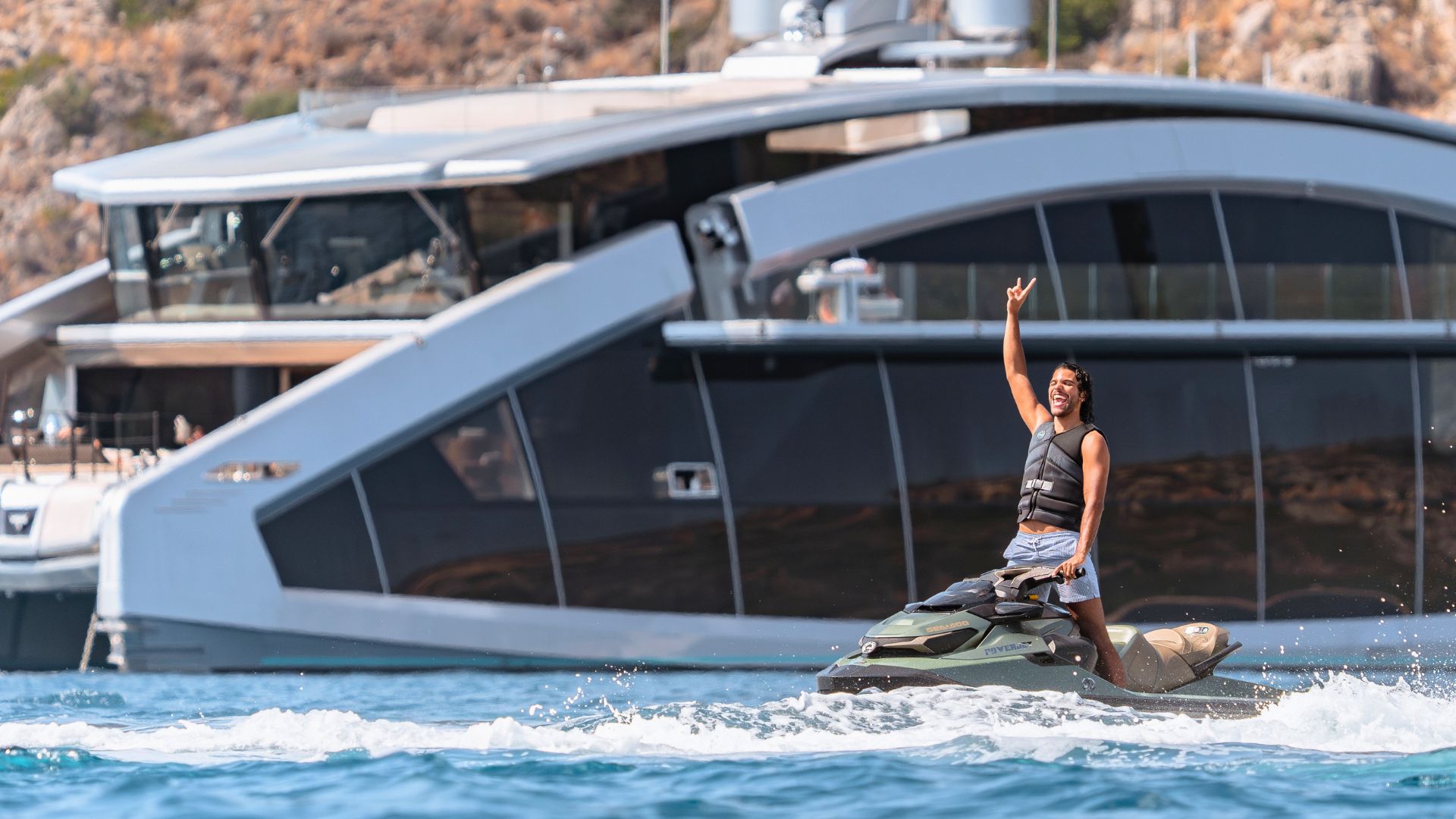
Why Buyers Are Skipping Steps
One of the clearest signs of this changing mindset is some buyers' willingness to enter the market at a larger size than they might once have considered. Rather than starting with a smaller yacht and upgrading after a few seasons, they're using chartering to work out what they want before committing to a purchase.
For Léo, chartering has become a much more effective way to test different yachts in practice. Time spent aboard can reveal preferences that are difficult to establish from a viewing alone, from the layout and accommodation to how the vessel works for a particular family or group.
"By the time they buy, they already know what size and layout work for them and how they use the boat," he says.
In that sense, chartering can help buyers bypass some of the trial and error traditionally associated with yacht ownership. Experiencing a larger yacht first may also help someone recognize that a smaller vessel won't offer the space, range, or facilities they ultimately want.
Time is another factor. Many of these buyers are accustomed to making decisions quickly in their professional lives, and the prospect of buying, selling and upgrading several yachts may hold little appeal. They would rather spend time establishing what works, make an informed choice and get on with enjoying it.
Buying larger from the outset isn't necessarily the right answer for everyone. A bigger yacht brings its own considerations, including running costs, crew requirements, maintenance and the practicalities of cruising. The key is to understand how you'll use the yacht before deciding on its size.
That is where a broker's knowledge becomes particularly valuable. Beyond finding a vessel that matches the initial brief, the aim is to understand how an owner intends to spend time on board, who will join them, and whether their requirements are likely to change.

The Value Of A Long-Term Broker Relationship
A yacht purchase is rarely just a transaction. For many owners, the relationship with their broker continues long after the paperwork is complete, sometimes across several purchases and over many years. Léo believes the strongest relationships develop when a broker takes the time to understand the person behind the purchase.
"A good broker isn't just selling a boat. They're really managing the evolving relationship with the client's lifestyle and their family," he explains. Knowing how a client lives can be just as important as understanding the yacht itself. Family circumstances, travel habits, and how an owner prefers to spend time on board all influence whether a vessel is a good fit. Those details can become especially useful as an owner gains experience and starts thinking about their next move.
The broker's role also changes as the client becomes more familiar with ownership. For a first-time buyer, the process can involve working through everything from running costs and crew dynamics to flag registration, tax structuring, and the survey process.
Léo describes the role as being something of an educator at first. With experienced owners, however, the conversation shifts. Resale value, market timing, refit planning and the potential to place a yacht on the charter market may all come into play.
As he explains, the relationship shifts from "Let me explain this to you" to "Let's think three steps ahead". That longer-term perspective matters in a market where buyers may be moving more quickly between yachts. A vessel that suits an owner today may not meet their needs in several years, especially as their family, travel plans, or expectations evolve.
It also means good advice won't always lead to an immediate sale. Sometimes, the most useful thing a broker can do is challenge a client's assumptions or recommend against a yacht that looks appealing but isn't right for them in practice.
For Léo, that willingness to be honest is fundamental to building trust. A successful purchase isn't simply about finding a yacht the client wants; it's about finding one that will work for them over time.
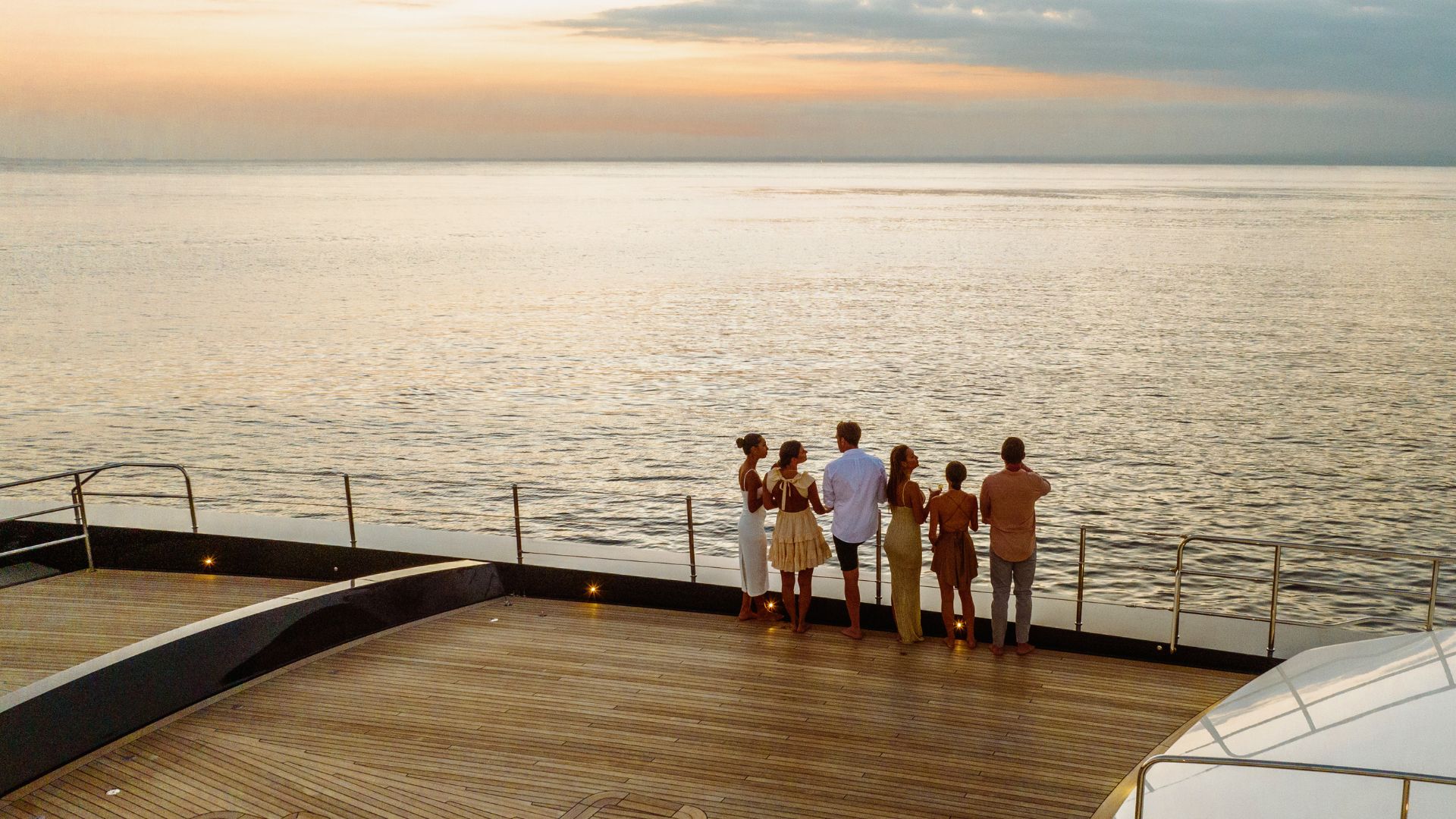
Knowing When It's Time To Move Up
The decision to move to a larger yacht often begins with a lifestyle change rather than a fixed ownership period. An owner might want to undertake longer ocean passages, accommodate more family and friends, or spend extended periods cruising further afield. For others, chartering a larger yacht can be enough to change their perspective on what they want from their own vessel.
"I think it's really a lifestyle trigger," says Léo. "Sometimes owners discover that they want to go on longer ocean crossings, or they simply charter a bigger boat once and then feel that it's really hard to go back down to a smaller yacht."
Once expectations change, the original yacht may begin to feel restrictive. More space, different facilities, or greater capability can become priorities that weren't apparent at the start of the ownership journey.
Léo also believes owners can underestimate how quickly their needs will evolve. In an environment where both wealth and lifestyles can change rapidly, what seemed like the right choice a few years earlier may no longer be enough.
How long an owner keeps a yacht varies considerably. Five years is the historical benchmark often cited in the industry, but Léo suggests that some buyers now move on sooner, particularly those whose circumstances and priorities change quickly. Others keep the same yacht much longer when they find one that suits them exceptionally well.
There is no universal timeline for moving up. The decision ultimately depends on how an owner uses their yacht, what they want to do next, and whether their current vessel still meets those needs.

From Brokerage To A New Build
For some owners, the natural progression eventually leads to commissioning a new yacht. But Léo sees this as a step best taken after gaining practical experience with one or two vessels.
By that stage, an owner is more likely to know what works for them, from accommodation arrangements to onboard facilities and how they intend to cruise. They may also have developed preferences that are difficult to satisfy within the existing brokerage market.
A new build offers the chance to start with a blank canvas, shaping the yacht around specific requirements rather than adapting to a vessel already designed and built. It also brings a different level of commitment, with decisions to make throughout a potentially lengthy design and construction process.
For this reason, Léo is cautious about first-time buyers commissioning a new build before they have experience owning a yacht. Without time aboard different yachts, it can be difficult to know which features will genuinely make a difference and which might prove less important in practice. Chartering and owning an existing yacht first can help establish those priorities, giving an owner a more informed starting point for a future project.
It's also another example of why a broker's role extends beyond the initial transaction. Understanding a client's longer-term ambitions can shape the advice they receive today, even when the next step is still years away.

Try Before You Buy
For anyone considering their first yacht, Léo's advice is simple: "Really try before you buy."
He encourages prospective owners to charter extensively and stay open to yachts they might not have considered at first. Even a vessel that appears slightly out of reach, or one that is smaller than expected, can offer a useful perspective on what works and what doesn't.
The experience can help clarify priorities before a buyer makes a substantial financial commitment. It also lets you see how different yachts function in practice, rather than relying solely on specifications, photographs, or a viewing.
Choosing the right broker is just as important. As Léo sees it, the relationship should focus on long-term advice rather than a single sale. That means having someone who understands the owner's priorities, can anticipate how their needs might change, and is prepared to speak up when a particular yacht isn't the right fit.
"I think you're really picking a long-term adviser, not just a salesperson," he says. It's a useful distinction, particularly for a generation of buyers who may be moving through ownership more quickly than before. While the route to purchasing a yacht is changing, the value of experience, honest advice and a clear understanding of how the vessel will be used remains much the same.
Wondering what your next yacht could look like? Whether you’re looking at yachts on the market or planning a new build, explore yachts for sale and get in touch with our team, who will guide you from the first conversation to the final decision.
To hear more from Léo Jordil, listen to the full episode of Conversations by IYC, Why Buyers Are Going Bigger, Younger & Faster on Spotify, or explore the full podcast series.

Insightful discussions with leading voices from across the world of yachting. Hosted by IYC, this podcast brings the industry closer to clients, enthusiasts, and professionals alike.

Today's yacht buyers are approaching yacht ownership with a completely different mindset. A yacht has now become a more strategic asset, one that should deliver on multiple fronts, from personal fulfillment and financial logic to practicalities.

Walking onto the docks of a major yacht show for the first time can be genuinely overwhelming. Row after row of yachts lined up, each impressive in its own right, without an obvious place to start. And while a specification sheet will tell you the length, range and cabin configuration, it won't tell you how a yacht actually feels to live aboard, or whether it suits the way you and your family or guests will use it.