Mallorca
Mallorca Yacht Charter Guide
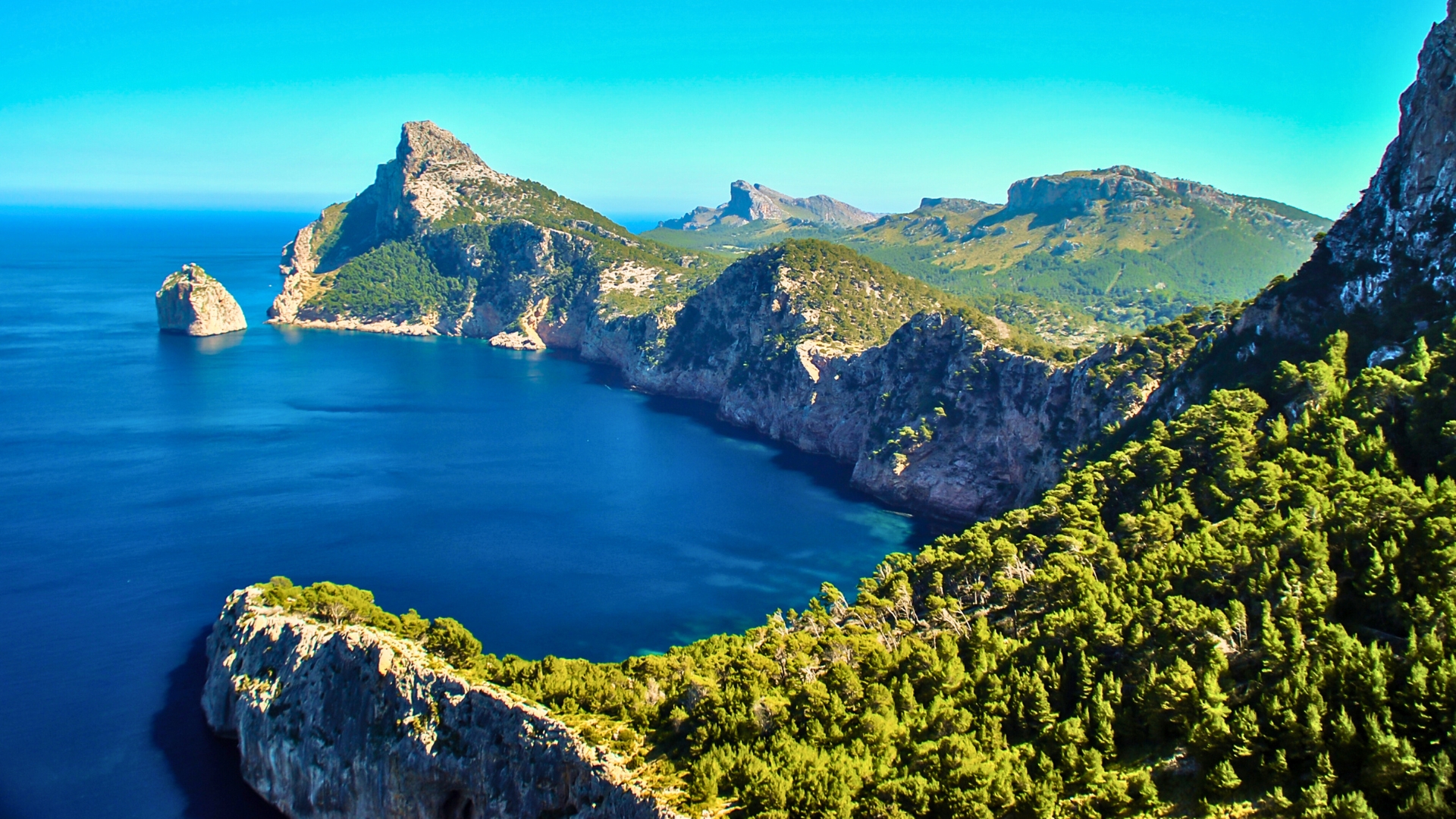
The largest of the Balearic Islands, Mallorca, combines rustic natural beauty and glistening waters with cosmopolitan luxury. A dramatic coastline that switches between secluded anchorages framed by pine-covered cliffs and lively beach clubs with bustling nightlife and dining options. Inland, UNESCO-listed landscapes and charming cliffside villages are well worth adding to a yacht charter itinerary.
The island’s historic capital, Palma, features a quaint old town and a wide range of culinary experiences, including Michelin-starred restaurants. With easy connections to Palma, you will be in the heart of the city’s bustling yachting scene, home to several superyacht marinas, hosts iconic regattas, and the ever-expanding annual Palma International Boat Show. Onwards, stay longer and explore the rest of the Balearic chain, including Menorca, Ibiza, and Formentera.

Best Time To Visit: The ideal period for cruising is during the Mediterranean summer, from May through to September.
Key Cruising Areas: From Palma or other port towns like Pollenca or Port d’Andratx, enjoy an itinerary around the island. Or, island-hop to the nearby Balearic Islands of Menorca, Ibiza, and Formentera.
Don’t Miss: Snorkel or dive the incredible waters of the group of protected islands within Cabrera National Park, located south of the mainland.
Best Spots For Wining And Dining: For a must-visit rustic seafood restaurant, try Ca’s Petro March, an ideal long-lunch spot accessible via tender. In Palma, there are many more options, including the Michelin-starred Marc Fosh.
Best Local Dish: The iconic sobrassada, a spreadable cured sausage seasoned with local spices, is often used in many traditional dishes. Lots of local Mallorcan produce can be sampled at the Mercat de l’Olivar in Palma.
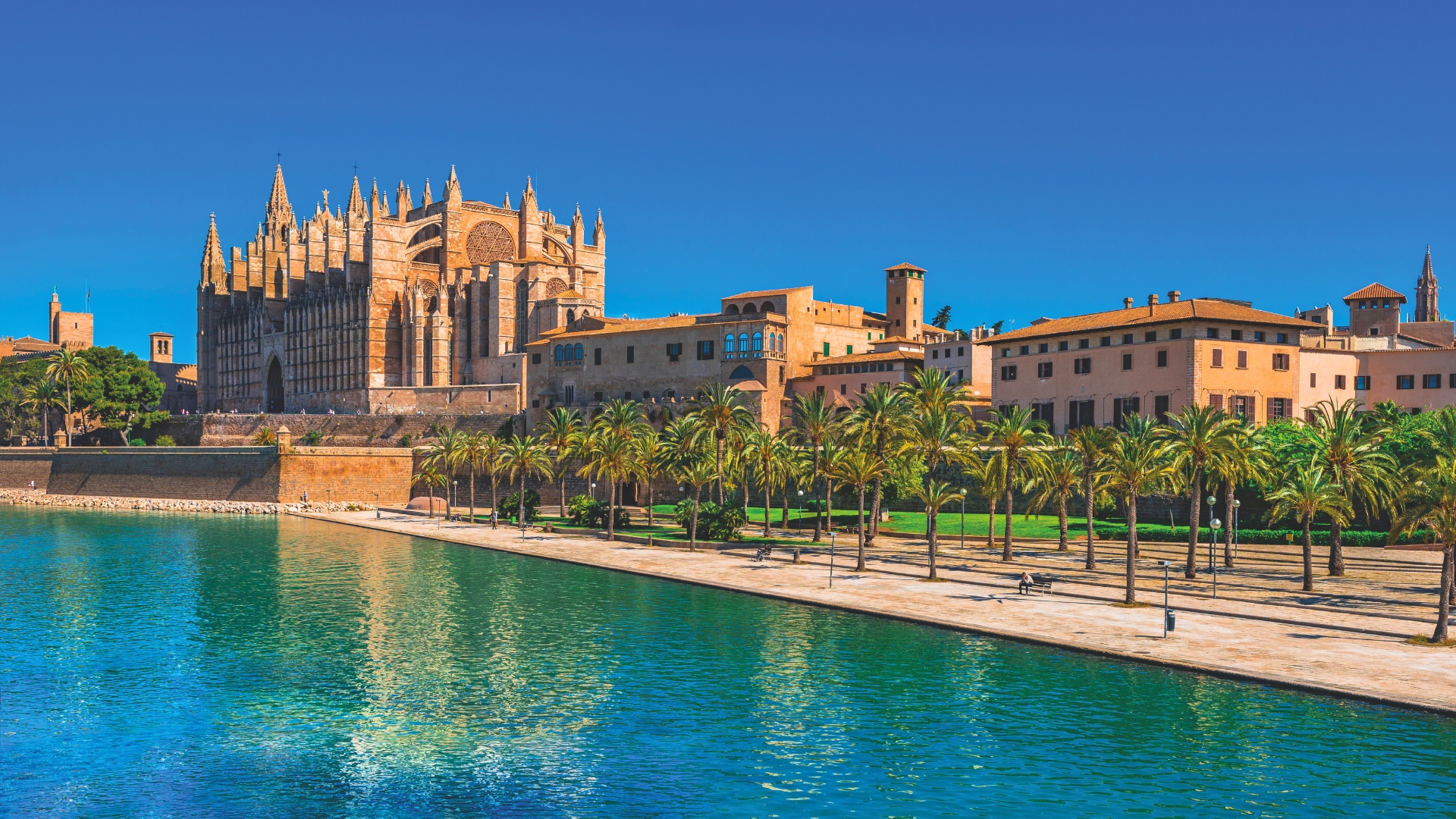
Local Culture: Explore the historic old town of Palma, take a tour of the striking La Seu Cathedral, which takes centre stage, stroll through the courtyards, and marvel at centuries-old architecture throughout the winding streets.
Best Beach: On the southeast coast, visit Cala d’Or, translating to ‘golden bay.’ There are plenty of small, sheltered coves with soft white sand to visit.
IYC Recommends: For an adventure ashore, hike the Serra de Tramuntana mountain range with dramatic landscapes, breathtaking views, and scenic villages to visit, like Valldemossa, then back onboard for relaxing sundowners.
FREQUENTLY ASKED QUESTIONS
The best time to charter a yacht in Mallorca is between May and October, when the island enjoys warm Mediterranean weather, long daylight hours, and excellent cruising conditions. This period covers the full Balearic charter season, with sea temperatures rising steadily through summer and reaching around 75°F to 79°F (24°C to 26°C) in the warmest months.
June through August marks the peak season, when Mallorca is at its most vibrant. Daytime temperatures typically sit between 77°F and 86°F (25°C to 30°C), creating ideal conditions for swimming, watersports, and relaxed days on deck. Palma, Puerto Portals, Port Adriano, and the island’s most popular anchorages are especially busy during this period, so early planning is essential.
For a more relaxed experience, many seasoned charterers favor May, June, September, and early October. During these months, the weather remains comfortably warm, usually around 70°F to 82°F (21°C to 28°C), while marinas, beaches, and cruising routes feel noticeably calmer. This is often the best window for exploring Mallorca’s coastline, from the sheltered calas of the south-east to the mountain-backed bays around Sóller and Deià.
Mallorca offers strong flexibility throughout the season. Palma provides a well-connected embarkation point, while short cruising distances make it easy to combine beach clubs, quiet anchorages, waterfront dining, and nearby Balearic routes. For guests seeking reliable summer conditions with a refined island atmosphere, Mallorca remains one of Spain’s most appealing yacht charter destinations.
The cost of chartering a yacht in Mallorca depends on the yacht’s type, size, age, guest capacity, onboard features, and season. Weekly base rates for crewed luxury motor yachts typically start at around €25,000 for smaller yachts and can exceed €350,000 for premium superyachts with extensive amenities.
Seasonality is a key factor. High season rates generally apply in July and August, when Mallorca and the wider Balearics are at their busiest. More flexible rates are often available in May, June, September, and October, while still offering excellent cruising conditions from Palma, Port Adriano, Puerto Portals, and nearby Balearic routes.
Charterers should also budget for expenses beyond the base charter fee. An Advance Provisioning Allowance (APA) of 25% to 40% of the charter cost is typically paid before embarkation. This covers variable expenses such as fuel, food, beverages, mooring fees, and onshore arrangements. Any unused APA is refunded at the end of the charter.
Spanish VAT applies to most yacht charters starting in Mallorca. The standard rate is currently 21%, although the final treatment can vary depending on the yacht, itinerary, and charter structure.
Crew gratuity is not included in the charter fee but is customary. A tip of 10% to 20% of the base rate is typically offered at the guest’s discretion.
Mallorca offers a rich mix of experiences both on land and at sea, making it more than just a starting point for a Balearic itinerary. Guests can explore Palma’s historic old town, with its Gothic cathedral and refined waterfront dining, before heading along the coast to discover secluded coves, beach clubs, and crystal-clear anchorages. Days can be spent swimming off Es Trenc’s white-sand shoreline, enjoying long lunches in Port de Sóller, or anchoring beneath the dramatic cliffs of the northwest coast. It’s a destination that naturally balances cultural access with relaxed time on the water.
Beyond Mallorca itself, the island serves as a well-connected base for exploring the wider Balearic Islands. Ibiza, Menorca, and Formentera all sit within comfortable cruising range, with passages typically between 50 and 100 nautical miles. This makes it easy to combine multiple destinations within a week while maintaining a flexible and unhurried pace.
The island’s own coastline remains a highlight throughout the itinerary. To the northwest, the Serra de Tramuntana creates a striking setting of rugged cliffs and hidden bays such as Sa Calobra and Cala Deià. In contrast, the south and east coasts offer calmer waters and sandy beaches, with anchorages like Cala Mondragó and Es Trenc well suited to swimming and extended time at anchor.
From here, Ibiza and Formentera introduce a more social rhythm, known for their beach clubs, clear waters, and established yachting infrastructure. For a quieter extension, Menorca offers a more relaxed atmosphere, with natural harbors such as Mahón and a strong focus on protected landscapes and slower-paced cruising.
For longer charters, itineraries can extend toward mainland Spain, including Barcelona and the Costa Brava, adding a cultural dimension to the journey. Whether focusing on Mallorca alone or combining neighboring islands, the region allows for a tailored experience that blends vibrant destinations with more private anchorages.
Mallorca offers a diverse selection of yachts, allowing guests to tailor their charter experience to the island’s varied coastline and nearby cruising grounds. Motor yachts are the most popular option, particularly for yacht charters from Palma, where short cruising distances between destinations such as Cabrera, Sóller, and the southeast calas make speed and onboard comfort especially valuable. These yachts combine generous interior space with expansive decks, making them well suited for both relaxed days at anchor and active itineraries.
Sailing yachts offer a more traditional way to explore Mallorca, making the most of the island’s seasonal winds for a quieter experience at sea. Catamarans are also a popular choice, valued for their stability, spacious layouts, and ability to access shallow coves and protected bays around the island.
Yachts within IYC’s fleet are fully crewed and typically accommodate up to 12 guests, with a range of layouts and onboard features designed to suit different group sizes and cruising preferences.
The charter fee in Mallorca covers the core components of your yachting experience, including the yacht itself, a full-time professional crew, yacht insurance, and standard onboard equipment designed for both navigation and guest comfort. This provides a fully serviced environment from the moment you step on board, whether departing from Palma or one of the island’s surrounding marinas. Operational expenses, however, are not included in the base rate.
Costs such as fuel, food and beverage provisioning, marina berths, and local port taxes are managed through an Advance Provisioning Allowance, or APA. Typically set at 25% to 40% of the charter fee, the APA is paid prior to embarkation and administered by the Captain throughout your itinerary. A detailed account is provided at the end of the charter, with any unused funds returned.
Charters beginning in Mallorca are subject to Spanish VAT, generally applied at 21%. The exact amount can vary depending on the yacht’s structure and cruising plans, particularly if the itinerary includes time outside Spanish territorial waters.
Crew gratuity is not included in either the charter fee or the APA. While discretionary, it is customary to offer between 10% and 20% of the base charter fee, depending on the level of service received.
The APA, or Advance Provisioning Allowance, is a key component of the yacht charter process. It is a fund paid in advance of your charter, typically equal to 25–40% of the base charter fee, and is used to cover all operational expenses incurred during your trip. This includes fuel, food and beverages, marina fees, port taxes, transfers, and any special arrangements made to tailor your experience.
The APA is held onboard and managed by the yacht’s Captain, who ensures all provisioning and logistics are carried out efficiently and in line with your preferences. Prior to boarding, guests complete a preference sheet, noting dietary requests, beverage selections, activity interests, and more, which guides how the APA is allocated. Every expenditure is documented, and at the end of the charter, a full accounting is provided. Any unspent funds are refunded, while any overages are settled directly with the client.
As an example: if your weekly charter fee is $100,000, an APA of approximately $25,000 to $40,000 would be requested in advance. These funds might be used for cruising fuel, provisioning of meals and drinks, berthing fees, and third-party services such as private transfers or curated onshore excursions.
This system allows for complete flexibility, ensuring that the charter experience can be adjusted in real time, whether you decide to cruise further than originally planned or make spontaneous arrangements along the way. APA funds must be received before embarkation, typically via bank transfer alongside the final balance payment.
The minimum duration for a yacht charter in Mallorca is typically seven days, in line with standard practice across the Mediterranean. Most yacht charters from Mallorca operate on a weekly schedule, often from Saturday to Saturday, allowing for efficient coordination between guests, crew, and marina operations, particularly in busy hubs like Palma.
There is, however, some flexibility depending on the time of year and the specific yacht. During the shoulder months, such as May, early June, and September, shorter charters of three to five days may be possible. These are generally priced on a pro-rata basis using a six-day rate to reflect fixed operational costs. In peak summer, especially across Mallorca’s high-demand marinas and nearby cruising areas, weekly bookings are strongly preferred due to limited berth availability and increased traffic.
For guests looking to explore beyond Mallorca, extending the charter can be particularly rewarding. A longer itinerary allows for a more relaxed pace, whether cruising toward Menorca, crossing to Ibiza and Formentera, or spending additional time along Mallorca’s own coastline, from the Serra de Tramuntana to the quieter southeast coves.
Most charters begin and end at 12:00 pm, which is standard across the region. This schedule gives the crew time to complete preparation, provisioning, and technical checks before embarkation, while ensuring a smooth and consistent turnaround at the end of the charter.
Mallorca offers a seamless and well-supported travel environment for yacht charter guests, combining Spain’s established entry framework with the convenience of a highly developed island infrastructure. As part of the Schengen Area, it allows passport-free travel for EU citizens, while visitors from the U.S., U.K., and Canada may enter visa-free for up to 90 days within any 180-day period under standard regulations.
The euro (€) is the official currency, simplifying all transactions from marina berths to onboard provisioning. Palma, the island’s main yachting hub, is exceptionally well equipped, with modern marinas, international-standard services, and strong transport links. Palma de Mallorca Airport provides direct access from major European cities, making arrival and embarkation straightforward. English is widely spoken across marinas, restaurants, and charter services, ensuring a smooth experience both on and off the yacht.
There are currently no health-related travel restrictions in place. Healthcare standards are high, with reputable private clinics and hospitals available in Palma. Across the island, hygiene and service levels remain consistent with Spain’s leading charter destinations, supporting a safe and comfortable experience from arrival through to disembarkation.
Mallorca has one of the most favorable climates in the western Mediterranean, making it a natural focus for Spain yacht charters. From May through October, the island enjoys warm, dry, and reliably sunny conditions, with long days well suited to cruising, swimming, and time at anchor. During July and August, daytime temperatures often reach around 86°F (30°C), while sea temperatures rise to approximately 79°F (26°C), creating excellent conditions for watersports and relaxed coastal itineraries.
As part of the Balearic Islands, Mallorca benefits from around 300 sunny days each year. Conditions are generally settled through summer, particularly along the south coast and around Palma Bay. Local winds can still shape the day’s routing. The Tramuntana may affect the north-west coast, while the Embat sea breeze often develops during warm afternoons. Experienced Captains monitor these patterns closely and adjust routes between sheltered calas, marina stops, and open-water passages as needed.
May, June, September, and early October are especially appealing for guests seeking a softer climate and a quieter cruising atmosphere. Temperatures remain warm, the sea is comfortable later into the season, and popular anchorages such as Port d’Andratx, Cala d’Or, and Sóller are less crowded than in peak summer.
Mallorca also has distinct microclimates. The Serra de Tramuntana is typically cooler and wetter than the south-east coast, while Palma and the southern bays tend to offer some of the island’s most consistent charter weather.
Mallorca uses the euro (€) as its official currency, in line with the rest of Spain and the Eurozone. This makes financial planning straightforward for yacht charter guests, whether embarking in Palma, provisioning locally, or cruising onward to Ibiza, Menorca, or mainland Spain.
For yacht charters in Mallorca, most expenses are handled in euros. This includes marina berths, fuel, provisioning, local port costs, and the Advance Provisioning Allowance (APA). Palma de Mallorca is one of the Mediterranean’s most established yachting hubs, so payments through marinas, agencies, restaurants, and premium suppliers are generally efficient and familiar to international guests.
Credit cards are widely accepted across Palma, Puerto Portals, Port Adriano, upscale beach clubs, restaurants, and boutiques. Still, carrying some cash is advisable for smaller coastal towns, local markets, beach kiosks, taxis, or traditional restaurants where card facilities may be less consistent.
ATMs are readily available in Palma and larger resort areas, though access becomes more limited when cruising remote calas or spending extended time at anchor.
Mallorca follows Spain’s 230V / 50Hz electrical system and uses Type C and Type F plug sockets, the standard across much of continental Europe. Travelers arriving from the United States, United Kingdom, Australia, or other non-European regions will need a plug adapter. A voltage converter is only required if your device is not dual voltage. Most modern phones, laptops, tablets, and cameras support 100V to 240V, so an adapter is usually sufficient.
For those embarking on yacht charters from Mallorca, electrical compatibility is rarely a concern. IYC’s fleet is well prepared for international guests, with yachts featuring universal outlets, USB charging points, and onboard systems designed to support a wide range of devices. While docked in established marinas such as Palma, Port Adriano, or Puerto Portals, yachts connect to shore power. At anchor, onboard generators maintain a consistent and reliable power supply for lighting, air conditioning, galley equipment, entertainment systems, and personal electronics.
As a practical measure, bringing a universal travel adapter with built-in surge protection is advisable, particularly when traveling with high-value or sensitive electronics. If you plan to bring specialized equipment or medical devices, IYC’s expert consultants can confirm compatibility with your selected yacht and itinerary.
Mallorca offers a highly reliable digital environment, particularly across its main yachting hubs such as Palma, Port Adriano, and Port de Sóller. Mobile coverage is strong throughout the island, with widespread 4G service and steadily expanding 5G networks. For guests traveling within the EU, roaming is seamless under standard regional policies. Those arriving from outside the EU will find local SIM and eSIM options easy to arrange, with flexible short-term data plans readily available upon arrival.
While cruising, connectivity remains consistent across most of Mallorca’s coastline. Well-developed marina infrastructure supports stable onboard Wi-Fi, ensuring smooth access for everyday use. In more secluded anchorages, particularly along the Serra de Tramuntana or quieter northern bays, signal strength may ease slightly. For guests who require uninterrupted service, selecting one of IYC’s yachts equipped with satellite connectivity provides an added level of reliability.
Drone use in Mallorca is permitted but carefully regulated under Spanish and EU aviation guidelines. Registration is required for most drones over 250 grams or those equipped with cameras, and operators must follow strict operational rules. Flights are restricted near airports, over populated beaches, and around historic landmarks such as Palma’s Old Town. Additional limitations apply within protected areas, including the Serra de Tramuntana, where environmental controls are more stringent.
Mallorca offers a well-developed and health-conscious environment for yacht charter guests, supported by strong medical infrastructure and a long-standing reputation as one of the Mediterranean’s leading cruising destinations. In Palma de Mallorca, guests have access to high-quality private clinics and hospitals, many of which provide English-speaking services. Pharmacies are easy to find across the island, particularly in marinas and coastal towns, and emergency assistance is efficient, with 112 operating as the central emergency number.
On board, health and safety are managed with care and professionalism. Crews are trained in first aid and prepared to coordinate support if required, allowing guests to fully relax throughout the itinerary. Mallorca’s coastline naturally supports a balanced, outdoor lifestyle, with calm anchorages, clear waters, and scenic surroundings that encourage time spent swimming, unwinding on deck, or enjoying open-air dining.
During the summer season, temperatures typically range from 77°F to 91°F (25°C to 33°C), with strong UV exposure throughout the day. Sun protection and regular hydration are essential, especially when spending extended time outdoors or taking part in watersports. Sea temperatures remain warm, averaging between 73°F and 79°F (23°C to 26°C), creating ideal conditions for daily swimming across the island’s many bays and coves.
Food quality across Mallorca is consistently high, with an emphasis on fresh, locally sourced ingredients. Yacht chefs provision from trusted suppliers, incorporating regional specialties such as seafood, olive oil, and seasonal produce into tailored menus. Whether following a specific diet or simply preferring lighter Mediterranean cuisine, onboard dining can be adapted to suit individual preferences with ease.